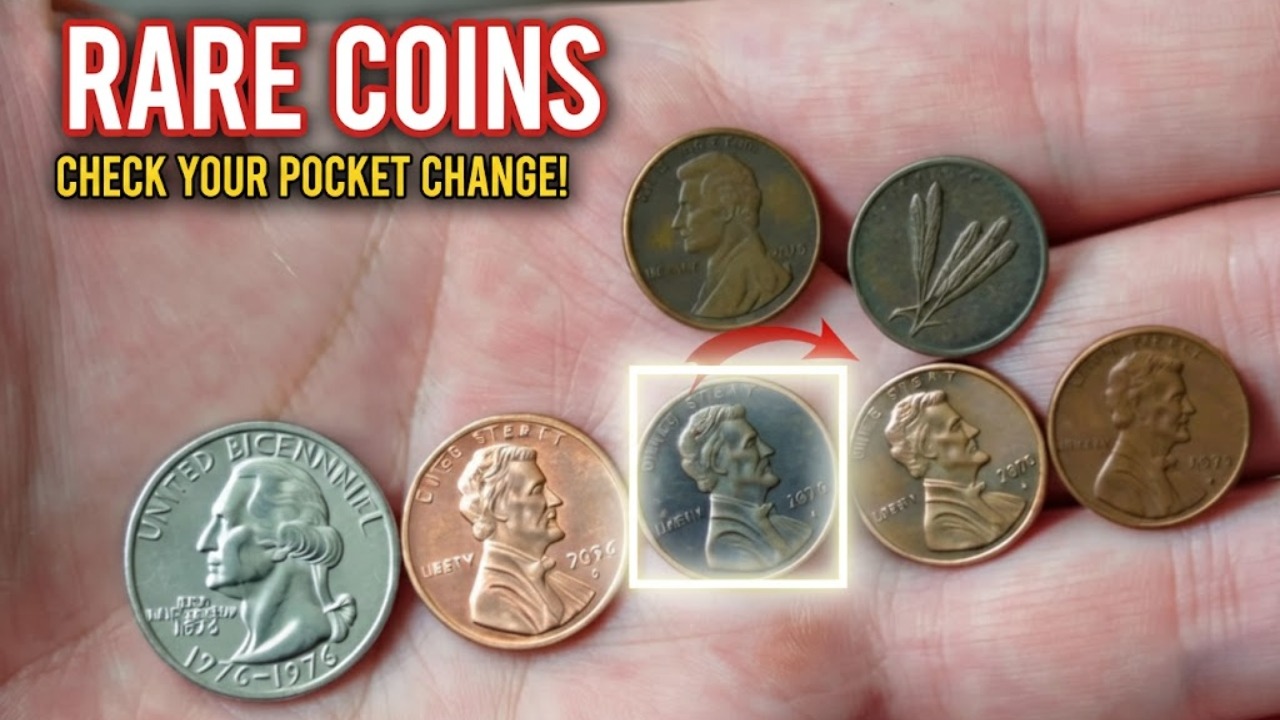
Wheat pennies, officially known as Lincoln Wheat Cents, were minted in the United States from 1909 to 1958. They feature the iconic portrait of Abraham Lincoln on the obverse and two wheat stalks on the reverse, symbolizing prosperity. For coin collectors, wheat pennies are more than just currency; they are historical artifacts that reflect the economic and cultural shifts of the 20th century. Over the past decade, the value of wheat pennies has shown notable trends, influenced by rarity, condition, and collector demand.
Historical Significance of Wheat Pennies
The introduction of the Lincoln cent in 1909 marked the first time a U.S. coin featured a real person rather than a symbolic figure. The wheat design was chosen to represent America’s agricultural strength. Collectors often seek these coins not only for their monetary value but also for their historical importance. Key dates, such as the 1909-S VDB penny, have become legendary in numismatic circles due to their scarcity and high demand.
Factors Influencing Wheat Penny Value
Several factors determine the value of wheat pennies:
- Date and Mint Mark: Coins from certain years and mints are rarer and more valuable.
- Condition: Grading ranges from Good (G) to Mint State (MS). Higher grades command higher prices.
- Rarity: Low mintage numbers or errors increase desirability.
- Market Demand: Collector interest and investment trends affect pricing.
The Role of Coin Grading
Coin grading plays a crucial role in determining wheat penny values. A coin in circulated condition may only be worth a few cents, while the same coin in uncirculated condition can be worth hundreds or even thousands of dollars. Professional grading services assign numerical grades, with MS-65 or higher considered premium quality. Collectors often rely on these grades to make informed purchasing decisions.

10-Year Value Trends Overview
Over the past decade, wheat penny values have experienced steady growth, particularly for rare dates and high-grade specimens. Common wheat pennies from the 1940s and 1950s remain affordable, often trading between 10 and 50 cents in circulated condition. However, key dates such as the 1909-S VDB, 1914-D, and 1931-S have seen significant appreciation.
Price Chart of Key Wheat Pennies (2015–2025)
| Year | 1909-S VDB (MS-63) | 1914-D (VF-20) | 1931-S (XF-40) | Common 1940s (Circulated) |
|---|---|---|---|---|
| 2015 | $1,000 | $150 | $85 | $0.10–$0.20 |
| 2017 | $1,200 | $170 | $95 | $0.15–$0.25 |
| 2019 | $1,350 | $190 | $110 | $0.20–$0.30 |
| 2021 | $1,500 | $210 | $125 | $0.25–$0.35 |
| 2023 | $1,650 | $230 | $140 | $0.30–$0.40 |
| 2025 | $1,800 | $250 | $160 | $0.35–$0.50 |
This chart illustrates how rare coins have consistently appreciated, while common coins have shown modest but steady increases.
Collectors’ Perspective on Value Growth
Collectors view wheat pennies as both historical treasures and investment opportunities. The steady rise in prices for key dates reflects growing interest in numismatics. Many collectors start with affordable coins from the 1940s and 1950s before moving on to rarer pieces. The 10-year trend suggests that even common coins can gradually increase in value, making them attractive for beginners.
Investment Potential of Wheat Pennies
Wheat pennies are often considered a safe entry point into coin collecting and investing. Unlike volatile assets, their value tends to appreciate steadily over time. Rare coins, especially those in high grades, can yield significant returns. For example, the 1909-S VDB penny has nearly doubled in value over the past decade, demonstrating strong investment potential.
Popular Wheat Penny Varieties
Some varieties stand out among collectors:
- 1909-S VDB: The most famous and valuable wheat penny.
- 1914-D: Scarce due to low mintage.
- 1922 No D: A rare error coin.
- 1931-S: Low mintage and high demand.
- Steel Pennies (1943): Unique wartime issue made of zinc-coated steel.
These varieties often serve as milestones in a collector’s journey.

Market Trends and Collector Demand
The coin market has seen increased interest in tangible assets, especially during uncertain economic times. Wheat pennies benefit from this trend, as collectors and investors seek stable, historical items. Online auctions and coin shows have expanded accessibility, allowing more people to participate in the market.
Tips for Collectors Tracking Value
- Focus on key dates and mint marks.
- Invest in higher-grade coins when possible.
- Track auction results and price guides.
- Store coins properly to preserve condition.
- Diversify collections with both common and rare coins.
Future Outlook for Wheat Penny Values
Looking ahead, wheat pennies are expected to maintain their upward trajectory. While common coins may only see gradual increases, rare varieties will likely continue to appreciate significantly. As younger generations enter the hobby, demand is expected to rise, further supporting value growth.

Conclusion
Wheat pennies remain one of the most beloved and accessible coins for collectors. Their historical significance, combined with steady value appreciation, makes them a cornerstone of numismatics. The 10-year price chart demonstrates how both rare and common coins have gained value, offering opportunities for collectors at all levels. Whether pursued for history, hobby, or investment, wheat pennies continue to hold a timeless appeal in the world of coin collecting.
This article provides a comprehensive view of wheat penny value trends over the past decade, highlighting their enduring importance and potential for future growth.