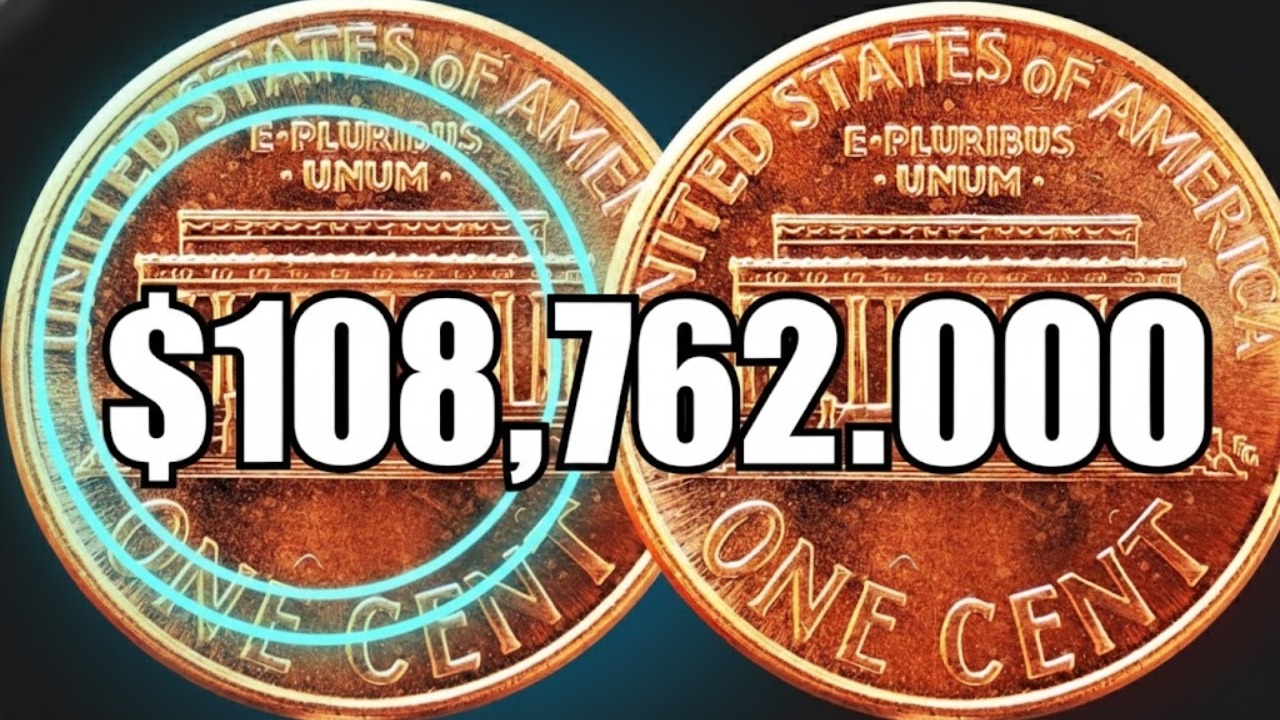
The Lincoln cent has been one of the most iconic coins in American history, first introduced in 1909 to honor President Abraham Lincoln. Over the decades, collectors have sought out rare variations, mint errors, and unique issues that elevate certain pennies far beyond their face value. Among these, the 1988-D Lincoln penny has gained attention for its potential rarity and collector demand. While most 1988-D pennies are worth only one cent, specific varieties and conditions can make them worth significantly more.
Historical Background of the Lincoln Cent
The Lincoln cent was designed by Victor David Brenner and has remained in circulation for more than a century. The obverse features Lincoln’s portrait, while the reverse design has changed over time. In 1988, the reverse still displayed the Lincoln Memorial, a design used from 1959 until 2008. The Denver Mint, represented by the “D” mint mark, produced millions of pennies in 1988, but only a small fraction hold collector value today.
Why the 1988-D Penny Stands Out
Most pennies from the 1980s are common, but the 1988-D penny is notable because of certain varieties and mint errors. Collectors prize coins that show unusual features, such as doubled dies, transitional design elements, or striking mistakes. These rare characteristics can transform a simple penny into a valuable collectible worth hundreds or even thousands of dollars.
Key Varieties of the 1988-D Lincoln Penny
Several varieties of the 1988-D penny are known to collectors. These include:

- Transitional reverse design varieties
- Doubled die obverse or reverse
- Off-center strikes
- Broadstrikes and other minting errors
Each of these varieties can dramatically increase the coin’s value depending on rarity and condition.
Transitional Reverse Variety
One of the most famous varieties of the 1988-D penny is the transitional reverse. In 1989, the Lincoln cent underwent a subtle design change in the lettering style of the reverse. Some 1988-D pennies were mistakenly struck using the 1989 reverse die, creating a transitional variety. These coins are rare and highly sought after by collectors.
Doubled Die Varieties
Another valuable type of 1988-D penny is the doubled die. This occurs when the coin die is misaligned during production, resulting in doubled features on the coin. Collectors look for doubling in areas such as the date, lettering, or Lincoln’s portrait. Strong doubled die examples can command significant premiums.
Mint Errors That Add Value
Mint errors are always exciting for collectors. Some of the most notable errors found on 1988-D pennies include:
- Off-center strikes, where part of the design is missing
- Broadstrikes, where the coin is struck without a collar
- Clipped planchets, where a portion of the coin is missing
- Die cracks or cuds, which create raised lines or blobs on the coin
These errors are rare and can make a penny worth far more than its face value.
Condition and Grading
The condition of a coin plays a crucial role in determining its value. Collectors use the Sheldon Coin Grading Scale, which ranges from Poor (P-1) to Mint State (MS-70). A 1988-D penny in average circulated condition may only be worth a few cents, but one in pristine mint state can be worth much more. Coins graded by professional services such as PCGS or NGC often fetch higher prices due to verified authenticity and condition.

Value Guide for 1988-D Lincoln Pennies
The following table provides a general overview of values for 1988-D pennies depending on condition and variety:
| Variety/Condition | Estimated Value Range |
|---|---|
| Common Circulated | $0.01 – $0.10 |
| Mint State (MS-65) | $1 – $5 |
| Doubled Die | $50 – $500+ |
| Transitional Reverse | $100 – $1,000+ |
| Major Mint Error | $25 – $2,000+ |
Values can vary depending on market demand, rarity, and grading.
Collecting Tips for 1988-D Pennies
For collectors interested in finding valuable 1988-D pennies, here are some tips:
- Carefully examine coins with magnification to spot doubling or design differences.
- Look for unusual shapes, missing details, or off-center strikes.
- Preserve coins in protective holders to maintain condition.
- Consider professional grading for coins that appear rare or in high quality.
- Stay updated with auction results to understand current market trends.
How to Identify the Transitional Reverse
Identifying the transitional reverse variety requires close attention to the lettering style on the reverse of the coin. The 1989 reverse design features a distinct style in the “AMERICA” lettering compared to the 1988 design. Collectors often use side-by-side comparisons to confirm whether a 1988-D penny has the transitional reverse.

Auction Records and Market Demand
Rare 1988-D pennies have appeared in auctions, sometimes selling for hundreds or thousands of dollars. The transitional reverse variety, in particular, has drawn strong bidding competition. Market demand for these coins remains steady, as collectors continue to seek out rare Lincoln cent varieties.
Why Collectors Value the 1988-D Penny
Collectors value the 1988-D penny not only for its rarity but also for its place in the broader history of the Lincoln cent series. Transitional varieties and mint errors highlight the complexity of coin production and the occasional mistakes that create collectible treasures. Owning such a coin connects collectors to a unique piece of numismatic history.

Investment Potential
While most pennies are not considered strong investments, rare varieties like the 1988-D transitional reverse or doubled die can appreciate in value over time. As more collectors become aware of these coins, demand may increase, driving prices higher. However, like all collectibles, values can fluctuate based on market trends.
Preservation and Storage
To protect valuable 1988-D pennies, collectors should store them properly. Recommended methods include:

- Using coin flips or holders made of inert materials
- Avoiding direct handling with bare hands
- Keeping coins in a cool, dry environment
- Avoiding cleaning, which can damage the coin’s surface
Proper preservation ensures that coins retain their value for years to come.
Conclusion
The 1988-D Lincoln penny may seem ordinary at first glance, but certain varieties and mint errors make it a hidden gem in the world of coin collecting. From transitional reverse designs to doubled dies and striking mistakes, these coins can be worth far more than their face value. Collectors who take the time to examine their pennies carefully may discover that they hold a rare treasure capable of commanding big money in the numismatic market.