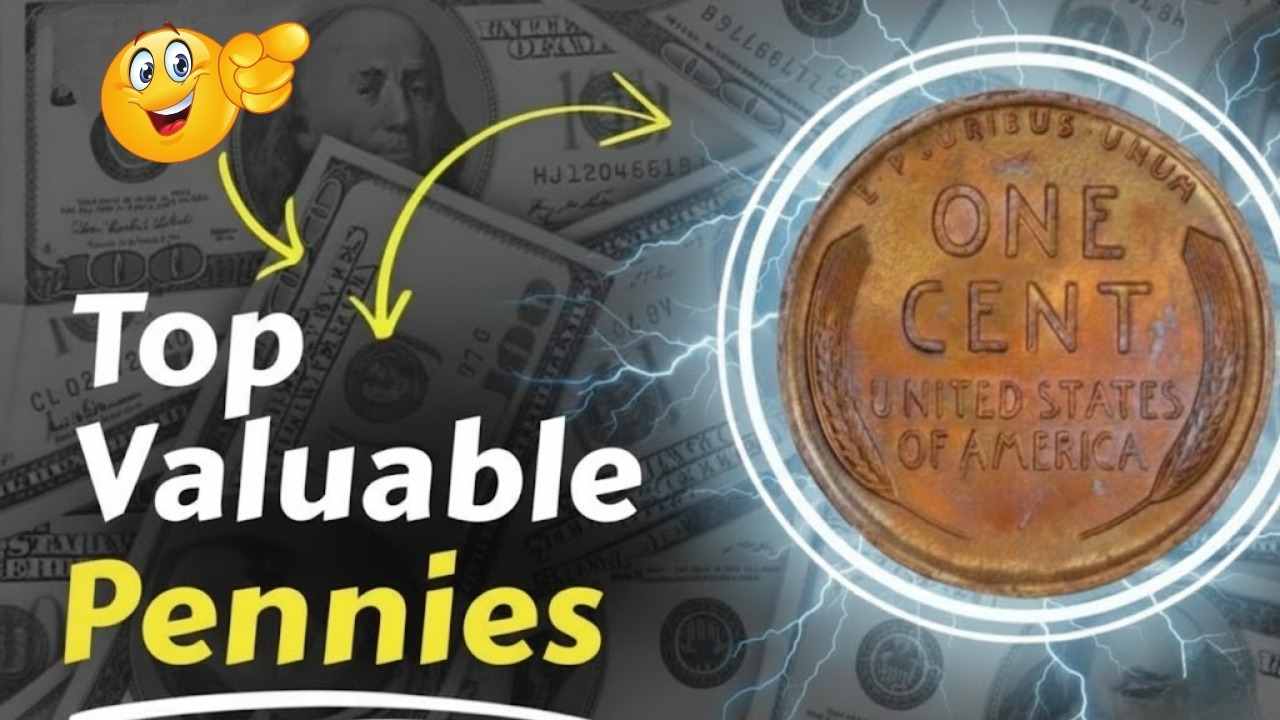
Wheat pennies, officially known as Lincoln Wheat Cents, were minted in the United States from 1909 to 1958. They are called “wheat pennies” because of the two wheat stalks engraved on the reverse side. While most wheat pennies are common and worth only a few cents, certain rare varieties and minting errors have become highly valuable, sometimes reaching millions of dollars in auctions. Collectors prize these coins not only for their rarity but also for their historical significance, as they represent an era of American coinage that bridged the early 20th century through post-war America.
Why Wheat Pennies Are Valuable
The value of a wheat penny depends on several factors:
- Year and mint mark
- Rarity of production
- Condition and grade
- Historical significance
- Errors or unique variations
Coins with low mintage numbers or unusual minting mistakes often command the highest prices. Collectors and investors alike seek these coins as tangible assets that combine history, artistry, and scarcity.
1909-S VDB Wheat Penny
The 1909-S VDB is one of the most famous wheat pennies. It was the first year of issue, and the initials of the designer, Victor David Brenner (VDB), were placed prominently on the reverse. Public criticism led to the removal of the initials, making the San Francisco mint coins with VDB extremely rare. High-grade examples can fetch hundreds of thousands of dollars, and pristine specimens have crossed the million-dollar mark.
1914-D Wheat Penny
The 1914-D penny from the Denver Mint is another key rarity. With a low mintage of just over one million, it is scarce in circulation. Collectors especially value uncirculated versions, which are exceedingly rare. This coin is often considered one of the “big three” in wheat penny collecting.
1922 No D Wheat Penny
In 1922, all wheat pennies were struck at the Denver Mint, but a small number were produced without the “D” mint mark due to a worn die. These “No D” pennies are highly sought after, especially in strong strike condition. They are considered one of the most dramatic minting errors in U.S. coinage history.
1931-S Wheat Penny
The 1931-S penny had a very low mintage of fewer than one million coins, making it one of the rarest regular-issue wheat pennies. While not as valuable as the 1909-S VDB, it remains a cornerstone for serious collectors.
1943 Copper Wheat Penny
During World War II, pennies were struck in steel to conserve copper for the war effort. However, a few 1943 pennies were mistakenly struck in copper. These coins are among the most famous rarities in American numismatics. A genuine 1943 copper penny can sell for over a million dollars, depending on condition.
1944 Steel Wheat Penny
In 1944, the Mint returned to copper coinage, but a few steel planchets from 1943 were accidentally used. These 1944 steel pennies are extremely rare and valuable, often selling for hundreds of thousands of dollars.
1955 Double Die Wheat Penny
The 1955 double die penny is one of the most dramatic error coins ever produced. The doubling of the date and lettering is easily visible without magnification. Collectors prize this coin for its striking appearance, and high-grade examples can reach tens of thousands of dollars.
1926-S Wheat Penny
The 1926-S penny is notable for its low mintage and poor strike quality. Finding one in high grade is exceptionally difficult, which makes it a valuable addition to any collection.
1909-S Wheat Penny (Without VDB)
While the 1909-S VDB gets most of the attention, the 1909-S without the VDB initials is also rare. With fewer coins minted, it remains a highly desirable piece for collectors.
1911-D Wheat Penny
The 1911-D penny from the Denver Mint is another semi-key date coin. Though not as rare as the 1914-D, it is still valuable in higher grades and sought after by collectors completing a full set.
1924-D Wheat Penny
The 1924-D penny is scarce due to its low mintage and poor strike quality. Collectors often struggle to find well-preserved examples, which drives up its value significantly.
1936 Double Die Wheat Penny
The 1936 double die penny is less dramatic than the 1955 version but still highly collectible. Doubling can be seen in the date and lettering, making it a prized error coin.
1949-D/S Overmintmark Wheat Penny
This coin features a rare minting error where a Denver mint mark was struck over a San Francisco mint mark. Such overmintmark varieties are fascinating to collectors and command strong prices.
Table of Top 14 Rare Wheat Pennies and Estimated Values
| Coin | Key Feature | Estimated Value Range |
|---|---|---|
| 1909-S VDB | Designer initials VDB | $100,000 – $1,000,000+ |
| 1914-D | Low mintage | $20,000 – $200,000 |
| 1922 No D | Missing mint mark | $30,000 – $300,000 |
| 1931-S | Low mintage | $5,000 – $75,000 |
| 1943 Copper | Wrong planchet | $250,000 – $1,500,000+ |
| 1944 Steel | Wrong planchet | $100,000 – $500,000 |
| 1955 Double Die | Visible doubling | $10,000 – $100,000 |
| 1926-S | Poor strike, scarce | $5,000 – $50,000 |
| 1909-S (No VDB) | Rare first-year issue | $5,000 – $75,000 |
| 1911-D | Semi-key date | $1,000 – $20,000 |
| 1924-D | Low mintage | $3,000 – $30,000 |
| 1936 Double Die | Doubling error | $1,000 – $15,000 |
| 1949-D/S | Overmintmark | $2,000 – $25,000 |
| 1943 Steel (High Grade) | Common but rare in MS condition | $500 – $10,000 |
Tips for Collectors
- Always verify authenticity through professional grading services.
- Store coins in protective holders to prevent damage.
- Focus on condition, as higher grades multiply value.
- Learn to identify mint marks and errors carefully.
- Build collections strategically, starting with affordable semi-key dates before pursuing rarities.
Conclusion
Wheat pennies are more than just small copper coins; they are pieces of American history that can hold extraordinary value. From the legendary 1909-S VDB to the wartime 1943 copper penny, these coins continue to captivate collectors and investors worldwide. Whether you are a beginner or an experienced numismatist, understanding the rarity and significance of these top 14 wheat pennies can help you appreciate their place in history and their potential as valuable assets. Collecting them is not only a pursuit of wealth but also a journey into the fascinating story of U.S. coinage.