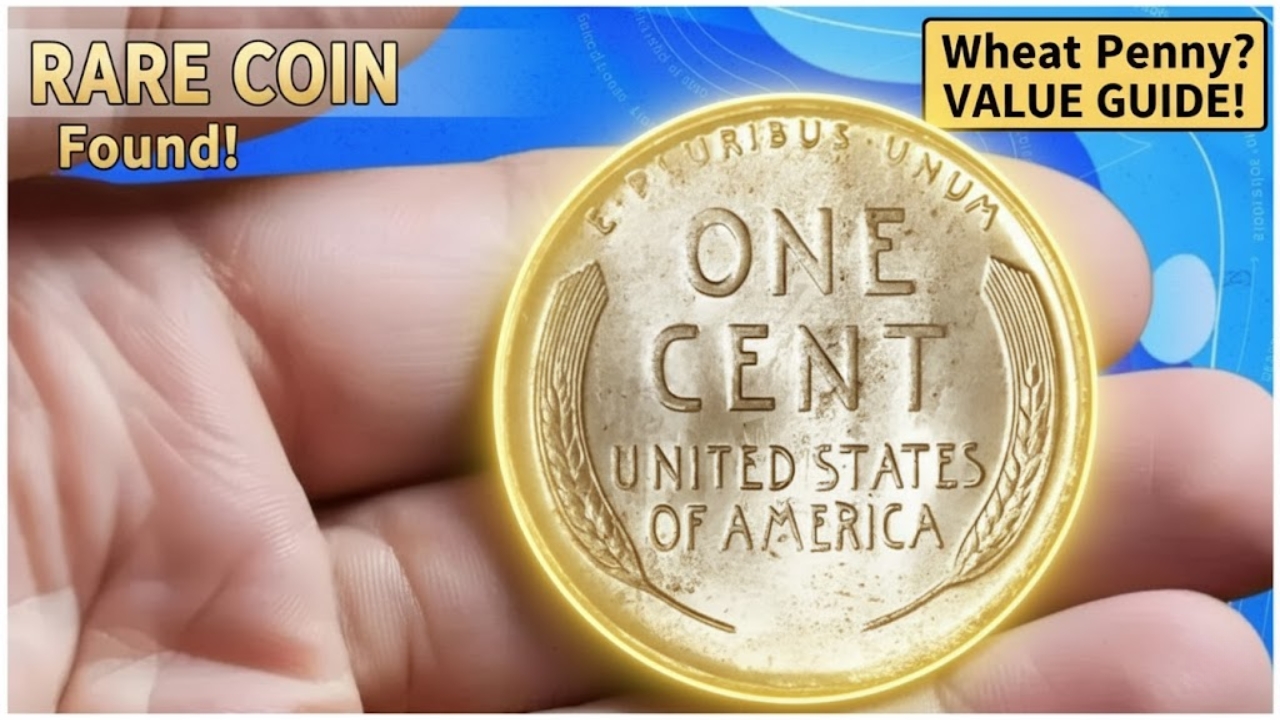
The Lincoln Wheat Penny, minted from 1909 to 1958, is one of the most iconic coins in American numismatics. Collectors admire its historical significance, artistic design, and the wide range of values depending on rarity and condition. These coins feature Abraham Lincoln on the obverse and two wheat stalks on the reverse, symbolizing prosperity. Over the decades, they have become a cornerstone for coin enthusiasts, offering both affordable entry points and rare treasures worth thousands of dollars.
Historical Background
The Wheat Penny was introduced in 1909 to commemorate the centennial of Abraham Lincoln’s birth. Designed by Victor David Brenner, it was the first U.S. coin to feature a real person rather than a symbolic figure. The coin circulated widely during major historical events such as World War I, the Great Depression, and World War II, making it a tangible piece of American history. Collectors often value these pennies not only for their monetary worth but also for their cultural and historical resonance.
Key Factors Affecting Value
Several elements determine the value of Wheat Pennies:
- Year and mint mark
- Rarity and mintage numbers
- Condition and grade
- Errors or unique varieties
Coins in pristine condition, especially those with low mintage or rare mint marks, command the highest prices. Circulated coins are more common and affordable, but even these can hold significant value if they belong to key dates.
Understanding Mint Marks
Mint marks indicate where the coin was produced. Common marks include:
- No mint mark: Philadelphia
- D: Denver
- S: San Francisco
Collectors pay close attention to mint marks because they often signal rarity. For example, the 1909-S VDB penny is one of the most sought-after coins due to its limited production.
Value Chart Overview
Below is a general value chart for Wheat Pennies from 1909 to 1958. Values vary depending on condition, ranging from Good (G) to Mint State (MS).
| Year | Mint | Good (G) | Fine (F) | Extremely Fine (XF) | Uncirculated (MS) |
|---|---|---|---|---|---|
| 1909 VDB | P | $10 | $15 | $25 | $50+ |
| 1909-S VDB | S | $700 | $900 | $1,500 | $3,000+ |
| 1914-D | D | $150 | $250 | $500 | $2,000+ |
| 1922 No D | D | $400 | $700 | $1,200 | $3,500+ |
| 1931-S | S | $60 | $75 | $100 | $150+ |
| 1955 Double Die | P | $1,000 | $2,500 | $5,000 | $10,000+ |
This chart highlights some of the most valuable Wheat Pennies, though many common dates from the 1940s and 1950s are worth between $0.10 and $1 in circulated condition.
Rare and Valuable Varieties
Certain Wheat Pennies stand out due to errors or unique characteristics:
- 1909-S VDB: Extremely rare due to limited mintage.
- 1914-D: Scarce and highly prized in higher grades.
- 1922 No D: A minting error where the Denver mint mark was omitted.
- 1955 Double Die: Famous for its dramatic doubling of the date and lettering.
These coins often fetch thousands of dollars at auctions, making them the crown jewels of Wheat Penny collections.

Common Wheat Pennies
Not all Wheat Pennies are rare, but even common coins hold charm. Pennies from the 1940s and 1950s were produced in large numbers, making them affordable for beginners. They typically sell for a few cents to a dollar, depending on condition. Collectors often start with these coins before moving on to rarer varieties.
Grading Wheat Pennies
Grading is essential to determine value. The scale ranges from Poor (P) to Mint State (MS-70). Key grades include:
- Good (G): Heavily worn, design visible but faint.
- Fine (F): Moderate wear, details clearer.
- Extremely Fine (XF): Light wear, sharp details.
- Mint State (MS): No wear, original luster intact.
Professional grading services provide certification, which can significantly increase a coin’s market value.
Collecting Strategies
Collectors often pursue different strategies:
- Building a complete set from 1909 to 1958.
- Focusing on rare key dates.
- Collecting by mint marks.
- Seeking error coins and varieties.
Each approach offers unique challenges and rewards. Beginners may start with affordable coins, while advanced collectors aim for rare pieces that require patience and investment.
Preservation and Storage
Proper storage is vital to maintain value. Coins should be kept in protective holders, albums, or cases to prevent damage. Avoid cleaning coins, as this can reduce their value. Climate-controlled environments help prevent corrosion and discoloration.
Investment Potential
Wheat Pennies are not only collectibles but also potential investments. Rare coins tend to appreciate over time, especially those in high grades. While common coins may not yield significant returns, key dates and error varieties often increase in value, making them attractive to investors.
Tips for Beginners
For those new to collecting Wheat Pennies:

- Start with affordable coins from the 1940s and 1950s.
- Learn to identify mint marks and key dates.
- Study grading standards.
- Join coin clubs or attend shows to gain knowledge.
Patience and research are essential to building a meaningful collection.
Conclusion
The Wheat Penny series from 1909 to 1958 offers a fascinating journey through American history and numismatics. From common coins worth a few cents to rare treasures valued at thousands of dollars, these pennies captivate collectors of all levels. Understanding mint marks, grading, and rarity is key to appreciating their value. Whether collected for passion or investment, Wheat Pennies remain timeless symbols of heritage and prosperity.