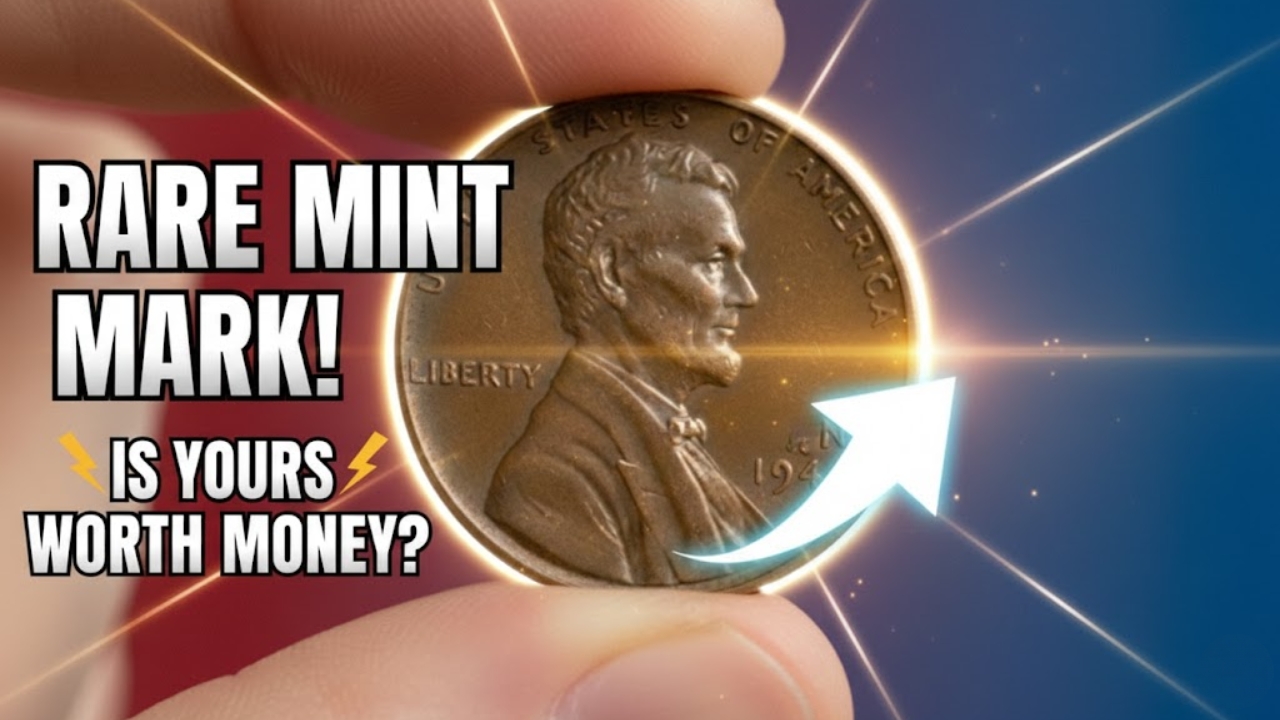
Wheat pennies, officially known as Lincoln Wheat Cents, were minted in the United States from 1909 to 1958. They are among the most collected coins in American numismatics due to their historical significance, distinctive design, and the nostalgia they evoke. The obverse features Abraham Lincoln, while the reverse displays two wheat stalks framing the denomination. Collectors value these coins not only for their age but also for their rarity, condition, and unique minting variations.
Historical Background
The Lincoln Wheat Cent was introduced in 1909 to commemorate the centennial of Abraham Lincoln’s birth. Designed by Victor David Brenner, it was the first U.S. coin to feature a real person rather than a symbolic figure. Over the decades, the coin underwent subtle changes, but the wheat reverse remained until 1958, when it was replaced by the Lincoln Memorial design.
Factors That Influence Value
Several elements determine the value of a wheat penny:
- Year of mintage
- Mint mark (D for Denver, S for San Francisco, no mark for Philadelphia)
- Condition or grade
- Rarity and errors
- Demand among collectors
Coins in pristine condition or with rare minting errors can command significantly higher prices than common circulated examples.
Key Dates and Rarities
Some wheat pennies are especially prized due to their scarcity. Collectors often seek these key dates:
- 1909-S VDB: One of the most famous rarities, with limited production.
- 1914-D: Scarce in higher grades, making it highly valuable.
- 1922 No D: A Denver mint coin mistakenly struck without a mint mark.
- 1931-S: Low mintage, making it a desirable coin.
- 1943 Copper Penny: An error coin struck in copper instead of steel during wartime.
Value Progression Over Time
The value of wheat pennies has steadily increased as collector interest has grown. While common dates may only be worth a few cents to a dollar in circulated condition, rare dates and mint errors can fetch thousands.
Table of Approximate Values by Condition
| Year/Mint | Good (G) | Fine (F) | Extremely Fine (XF) | Uncirculated (MS) |
|---|---|---|---|---|
| 1909-S VDB | $700 | $1,000 | $1,500 | $2,500+ |
| 1914-D | $150 | $300 | $600 | $2,000+ |
| 1922 No D | $500 | $800 | $1,200 | $3,000+ |
| 1931-S | $40 | $75 | $125 | $200+ |
| 1943 Copper | $85,000 | $100,000 | $150,000 | $250,000+ |
These values are approximate and fluctuate depending on market demand and grading standards.
Collecting Strategies
Collectors often begin by assembling a complete set of wheat pennies from 1909 to 1958. Strategies include:
- Searching through old coin rolls or collections.
- Buying coins individually to fill missing dates.
- Focusing on high-grade examples for long-term investment.
- Seeking error coins, which often appreciate faster.
Condition and Grading
Grading plays a crucial role in determining value. Coins are assessed on a scale from Poor (P) to Mint State (MS). Even small differences in grade can result in significant price changes. For example, a 1914-D penny in Fine condition may be worth a few hundred dollars, while the same coin in Mint State can exceed several thousand.
Market Trends
Over time, wheat pennies have proven to be a stable collectible. While not every coin appreciates dramatically, key dates and rare varieties consistently rise in value. The market tends to favor coins with historical significance, low mintage, and unique characteristics.
Investment Potential
Wheat pennies can serve as both a hobby and an investment. Rare coins often outperform common ones in terms of value growth. Collectors who carefully select coins with strong demand and rarity can see substantial returns. However, like all collectibles, values can fluctuate, and patience is often required.
Common Misconceptions
Many beginners assume all wheat pennies are highly valuable. In reality, most circulated coins from common years are worth only a few cents. The true value lies in rarity, condition, and demand. Another misconception is that cleaning coins increases their value; in fact, cleaning often reduces value by damaging the surface.
Tips for Collectors
- Store coins in protective holders to prevent damage.
- Avoid cleaning coins, as it diminishes value.
- Learn to recognize mint marks and varieties.
- Stay updated on market trends and auction results.
- Consider professional grading for rare coins.
Conclusion
Wheat pennies remain one of the most beloved coins in American history. Their value has grown steadily over time, with certain key dates reaching extraordinary prices. For collectors, they offer both sentimental appeal and investment potential. Whether building a complete set or focusing on rare varieties, wheat pennies provide a rewarding journey through numismatic history.