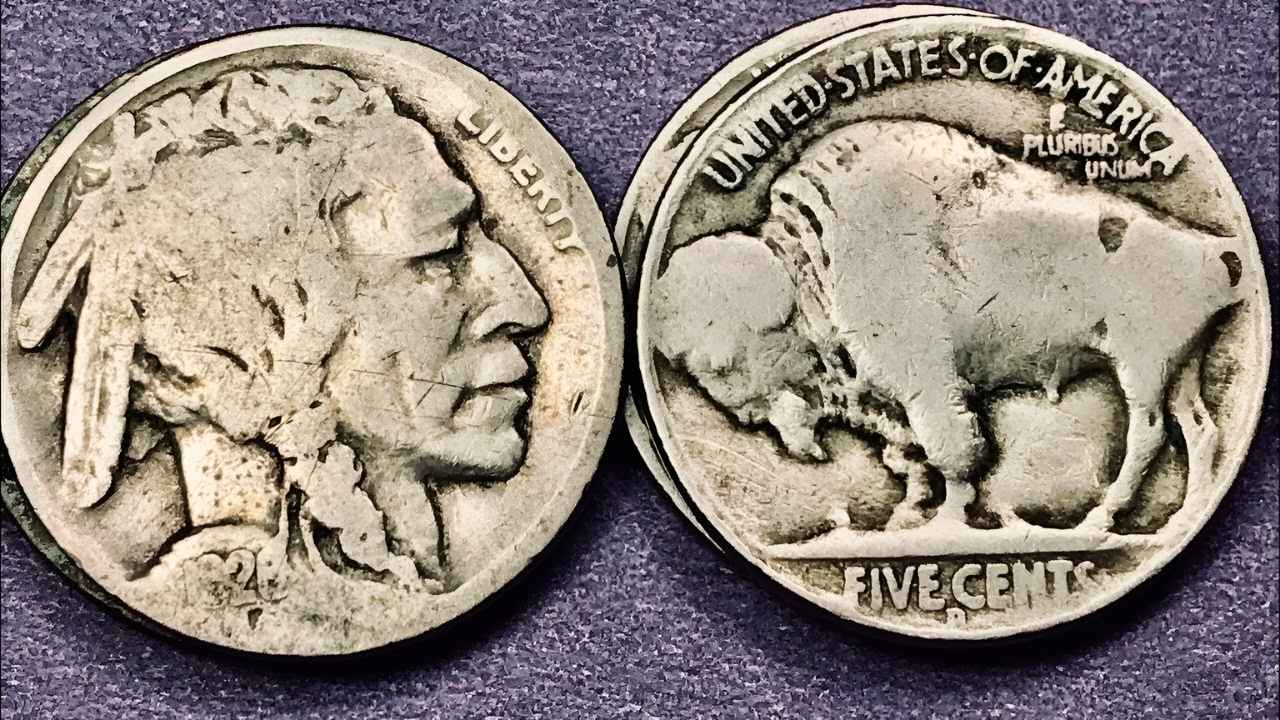
Buffalo Nickels, also known as Indian Head Nickels, are among the most iconic coins in American numismatic history. Minted between 1913 and 1938, these coins feature a Native American profile on the obverse and a majestic buffalo on the reverse. Over the decades, they have become highly collectible, with certain rare dates and mint errors commanding values in the thousands of dollars. In 2026, interest in Buffalo Nickels continues to grow, as collectors and even casual hobbyists discover hidden treasures in old piggy banks, coin jars, and family collections.
Historical Background
The Buffalo Nickel was designed by sculptor James Earle Fraser, who aimed to capture the spirit of the American West. The Native American portrait was inspired by a composite of several tribal leaders, while the buffalo was modeled after Black Diamond, a bison at the Central Park Zoo in New York. The coin was introduced in 1913 and quickly became a symbol of American heritage. However, due to design challenges and wear issues, production ceased in 1938, replaced by the Jefferson Nickel.
Why Buffalo Nickels Are Valuable
The value of Buffalo Nickels depends on several factors:
- Year of minting
- Mint mark location (Denver “D,” San Francisco “S,” or Philadelphia with no mark)
- Condition and grade of the coin
- Rarity of the strike or errors
Collectors prize coins with sharp details, minimal wear, and clear dates. Since many Buffalo Nickels circulated heavily, finding well-preserved examples is rare, which drives up their value.

Key Dates and Rarities
Some Buffalo Nickels are far more valuable than others. Below are notable examples:
| Year | Mint Mark | Notable Feature | Approximate Value (2026) |
|---|---|---|---|
| 1913 | Type 1 | Raised mound reverse | $50 – $1,500 |
| 1913 | Type 2 | Flat ground reverse | $40 – $1,200 |
| 1918 | D | Overdate (1918/7-D) | $5,000 – $125,000 |
| 1921 | S | Low mintage | $100 – $20,000 |
| 1931 | S | Scarce issue | $75 – $10,000 |
| 1937 | D | Three-legged buffalo error | $500 – $75,000 |
These values vary depending on condition, but even circulated examples can be worth significantly more than face value.
The Famous Three-Legged Buffalo
One of the most legendary Buffalo Nickels is the 1937-D “Three-Legged Buffalo.” Due to over-polishing of the die, the buffalo’s front leg appears missing. This error coin is instantly recognizable and highly sought after. Even in worn condition, it can fetch hundreds of dollars, while pristine examples sell for tens of thousands.
Condition and Grading
Grading plays a crucial role in determining a Buffalo Nickel’s value. Coins are graded on a scale from Poor (P-1) to Mint State (MS-70). For Buffalo Nickels, the most important details are the clarity of the date and the sharpness of the buffalo’s features.

- Good (G-4): Date barely visible, heavy wear
- Fine (F-12): Moderate wear, details visible
- Extremely Fine (EF-40): Light wear, strong details
- Mint State (MS-60+): No wear, full luster
Professional grading services can authenticate and grade coins, but even without certification, collectors can estimate value based on visible details.
Piggy Bank Discoveries
Many families unknowingly hold Buffalo Nickels in jars, piggy banks, or inherited collections. Since these coins were widely circulated, it is not uncommon to find them mixed with modern nickels. Discovering a rare date or error coin in such a casual setting can be thrilling, especially when the coin is worth thousands of dollars. Stories of collectors finding valuable Buffalo Nickels in old savings containers continue to inspire new hobbyists.
Tips for Identifying Valuable Buffalo Nickels
When examining Buffalo Nickels, keep these tips in mind:
- Check the date carefully; worn coins may have faint numbers.
- Look for mint marks under the buffalo on the reverse.
- Inspect for errors such as doubled dies or missing details.
- Compare condition with grading standards.
- Handle coins gently to avoid further wear.
Market Trends in 2026
The coin market in 2026 shows strong demand for Buffalo Nickels, especially rare dates and error coins. With increased interest in tangible investments and collectibles, prices have remained stable or risen for high-grade examples. Auction houses and private collectors continue to compete for the finest specimens, pushing values upward. Even common Buffalo Nickels in average condition are worth more than their original five-cent face value.

Collecting Strategies
For those interested in building a Buffalo Nickel collection, there are several approaches:
- Date and Mint Set: Collect one coin from each year and mint.
- Type Set: Collect examples of Type 1 and Type 2 designs.
- Error Collection: Focus on rare varieties like the Three-Legged Buffalo.
- High-Grade Collection: Seek coins in Mint State condition.
Each strategy offers unique challenges and rewards, depending on budget and interest.

Preservation and Storage
Proper storage is essential to maintain coin value. Buffalo Nickels should be kept in coin holders, albums, or protective cases to prevent scratches and tarnish. Avoid cleaning coins, as this can reduce their value. Climate-controlled environments help preserve luster and prevent corrosion.
Conclusion
Buffalo Nickels remain one of the most fascinating and valuable coins in American history. In 2026, collectors continue to uncover rare treasures worth thousands of dollars, sometimes hidden in ordinary piggy banks. Whether you are a seasoned numismatist or a curious beginner, exploring Buffalo Nickels offers both historical insight and financial reward. With careful examination, proper preservation, and an eye for rarity, these coins can transform from simple five-cent pieces into prized collectibles with lasting value.