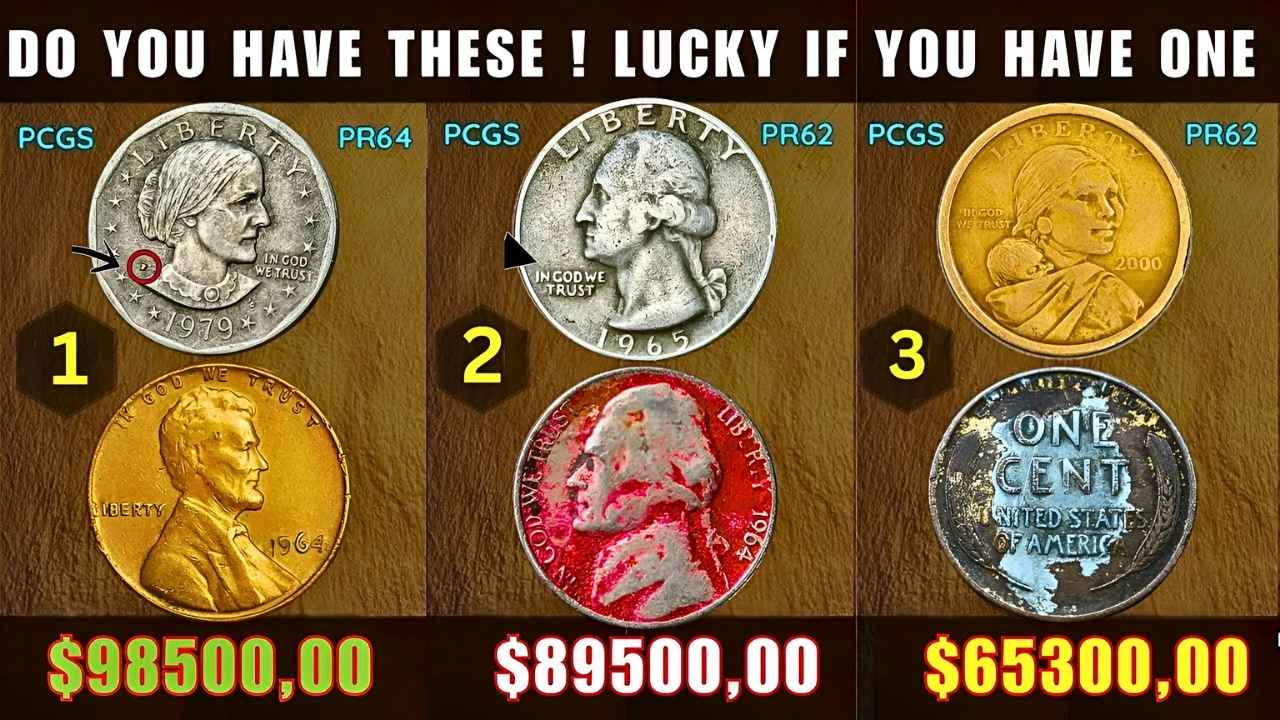
The Lincoln penny, first introduced in 1909, is one of the most iconic coins in American history. Designed by Victor David Brenner, it was the first U.S. coin to feature a real person, honoring President Abraham Lincoln on the centennial of his birth. Over the decades, the Lincoln penny has undergone several design changes, minting variations, and material compositions, making it a fascinating collectible for numismatists.
Historical Background of the Lincoln Penny
The Lincoln penny replaced the Indian Head cent in 1909. Its design featured Lincoln’s portrait on the obverse and two wheat stalks on the reverse, giving rise to the nickname “Wheat Penny.” In 1959, the reverse design changed to the Lincoln Memorial, commemorating the 150th anniversary of Lincoln’s birth. Later, in 2010, the reverse was updated again to depict the Union Shield.
Collectors value Lincoln pennies not only for their historical significance but also for their rarity, mint marks, and condition. Some coins are worth only face value, while others can fetch thousands of dollars at auctions.
Understanding Mint Marks
Mint marks are small letters on coins that indicate where they were produced. For Lincoln pennies, the most common mint marks are:
- No Mint Mark: Indicates the coin was minted in Philadelphia.
- D: Denver Mint.
- S: San Francisco Mint.
Mint marks play a crucial role in determining a coin’s rarity and value. For example, a 1909-S VDB penny is far rarer than a 1909 VDB penny without the “S” mint mark.
Factors That Influence Value
Several factors determine the value of a Lincoln penny:
- Year of Issue: Older coins, especially those from the early 20th century, tend to be more valuable.
- Mint Mark: Coins from San Francisco or Denver can be rarer than those from Philadelphia.
- Condition: Coins are graded on a scale from Poor (P-1) to Mint State (MS-70). Higher grades command higher prices.
- Errors and Varieties: Double dies, off-center strikes, and other minting errors can significantly increase value.
- Metal Composition: Pennies minted during World War II in 1943 were made of steel due to copper shortages, making them unique.
Key Dates and Values
Below is a simplified chart highlighting some of the most notable Lincoln pennies and their approximate collector values depending on condition.
| Year | Mint Mark | Notable Feature | Approximate Value (Good to Mint State) |
|---|---|---|---|
| 1909 VDB | No Mint Mark | Designer’s initials | $10 – $50 |
| 1909-S VDB | S | Rare, low mintage | $700 – $15,000 |
| 1914-D | D | Key date | $150 – $5,000 |
| 1922 No D | No Mint Mark | Missing mint mark | $500 – $10,000 |
| 1931-S | S | Low mintage | $75 – $1,000 |
| 1943 Steel | No Mint Mark | Wartime steel penny | $0.25 – $10 |
| 1943 Copper | Any | Extremely rare | $100,000+ |
| 1955 | No Mint Mark | Double die error | $1,000 – $15,000 |
| 1972 | No Mint Mark | Double die obverse | $25 – $500 |
| 1983 | No Mint Mark | Double die reverse | $50 – $1,000 |
Rare Varieties and Errors
Collectors often seek out error coins, which can be worth far more than regular issues. Some famous varieties include:
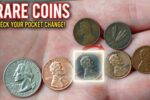
- 1955 Double Die Obverse: One of the most famous error coins, with doubled lettering visible on “LIBERTY” and “IN GOD WE TRUST.”
- 1922 No D Penny: A Denver-minted coin missing its mint mark, making it highly collectible.
- 1943 Copper Penny: Accidentally struck on copper planchets instead of steel, these are among the rarest and most valuable Lincoln pennies.
- 1972 Double Die Obverse: Strong doubling on the date and inscriptions.
Collecting Strategies
For new collectors, Lincoln pennies offer an accessible entry point into numismatics. Here are some strategies:
- Start with Wheat Pennies: Affordable and widely available, they provide a foundation for building a collection.
- Focus on Key Dates: Prioritize rare coins like the 1909-S VDB or 1914-D.
- Check Pocket Change: Valuable varieties like the 1972 double die can still occasionally be found in circulation.
- Invest in Quality: Higher-grade coins retain value better over time.
- Use Proper Storage: Protect coins from damage by using coin holders, albums, or slabs.
Lincoln Penny Composition Changes
The composition of the Lincoln penny has changed over time:
- 1909–1942: 95% copper, 5% tin and zinc.
- 1943: Zinc-coated steel due to wartime copper shortages.
- 1944–1982: 95% copper, 5% zinc.
- 1982–Present: 97.5% zinc, 2.5% copper plating.
These changes affect both the look and durability of the coins, and in some cases, their collectibility.
Tips for Evaluating Value
When assessing the value of a Lincoln penny, consider the following:
- Check Mint Mark and Year: Identify whether the coin is a key date.
- Examine Condition: Look for wear, scratches, or discoloration.
- Seek Professional Grading: Certified coins often sell for higher prices.
- Compare with Price Charts: Use updated value guides to estimate worth.
- Beware of Counterfeits: Rare coins like the 1943 copper penny are often faked.
Conclusion
The Lincoln penny is more than just a piece of currency; it is a window into American history and a cornerstone of coin collecting. From the humble wheat pennies to the legendary 1943 copper cent, each coin tells a story of its time. Collectors continue to treasure these coins for their rarity, beauty, and historical significance. Whether you are a beginner or an experienced numismatist, the Lincoln penny offers endless opportunities for discovery and investment.