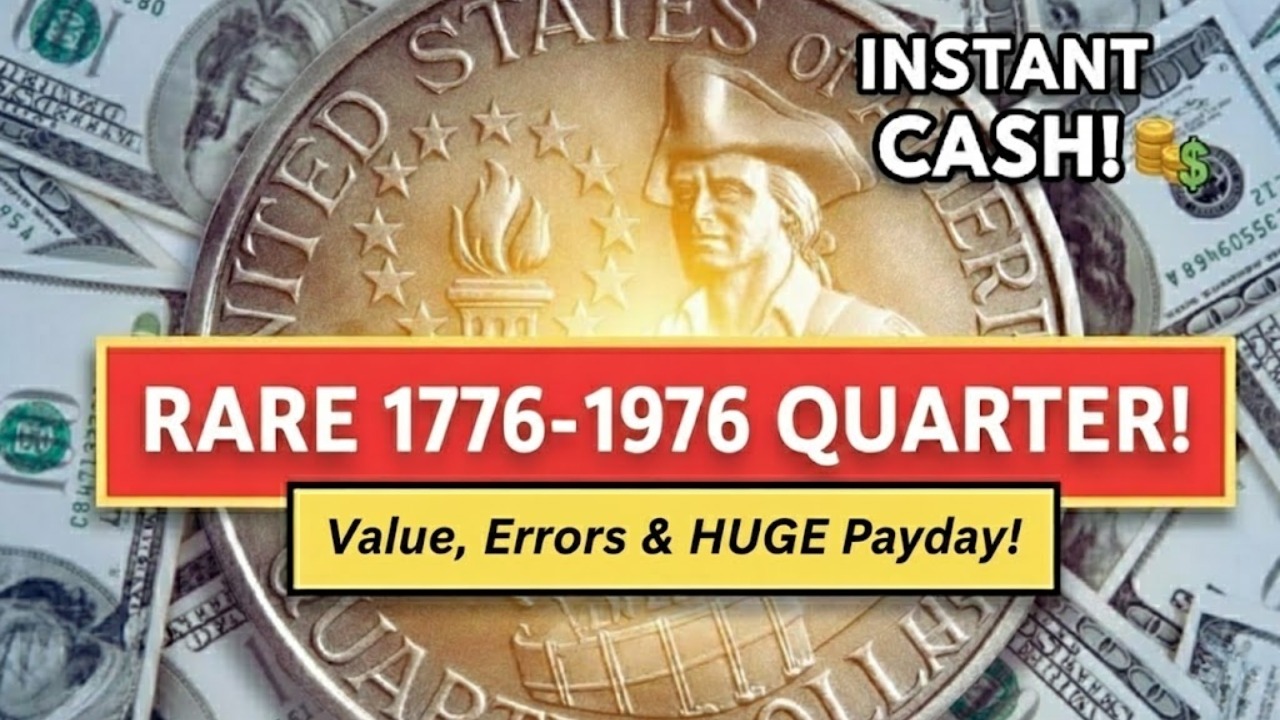
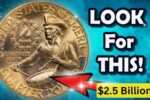
The 1776-1976 Liberty Quarter, also known as the Bicentennial Quarter, was minted to celebrate the 200th anniversary of American independence. Unlike regular quarters, this coin features a unique reverse design with a colonial drummer and a torch surrounded by thirteen stars, symbolizing the original colonies. Collectors and enthusiasts often seek these coins not only for their historical significance but also for their potential value, especially when rare errors or special minting conditions are involved.
Historical Background
The Bicentennial Quarter was issued in 1975 and 1976, but all coins bear the dual date “1776-1976.” This was part of a broader celebration where the U.S. Mint released commemorative designs for the quarter, half dollar, and dollar. Millions of these coins entered circulation, making them common in everyday transactions. However, certain variations and conditions elevate their worth far beyond face value.
Design Features
The obverse of the coin retains the familiar portrait of George Washington, designed by John Flanagan. The reverse, created by Jack L. Ahr, depicts a colonial drummer with a victory torch encircled by stars. This design was chosen through a national competition, making it a symbol of patriotic pride. The dual date “1776-1976” distinguishes it from other quarters and marks its commemorative purpose.
Minting and Composition
The Bicentennial Quarter was produced in several versions:
- Circulation strikes in copper-nickel clad.
- Special collector sets in 40% silver.
- Proof versions with enhanced detail and finish.
These variations play a significant role in determining the coin’s value. Silver issues and proof coins are generally more desirable to collectors.
Common Values in Circulation
Most Bicentennial Quarters found in circulation today are worth only their face value of 25 cents. However, uncirculated examples, proof coins, and silver issues can command higher prices. Typical values include:
- Circulated copper-nickel quarters: 25 cents to $1.
- Uncirculated copper-nickel quarters: $2 to $5.
- Proof versions: $5 to $10.
- 40% silver issues: $10 to $20 depending on condition.
Rare Errors and Varieties
Error coins are highly sought after by collectors because they represent anomalies in the minting process. Some notable errors in Bicentennial Quarters include:
- Double die obverse or reverse, where design elements appear doubled.
- Off-center strikes, resulting in a misaligned image.
- Clipped planchets, where part of the coin is missing.
- Wrong planchet errors, where the coin is struck on a blank intended for another denomination.
These errors can significantly increase the coin’s value, sometimes reaching hundreds or even thousands of dollars depending on rarity and demand.
Factors That Influence Value
Several factors determine how much a Bicentennial Quarter can sell for:
- Condition: Coins graded higher by professional services fetch premium prices.
- Rarity: Error coins or silver issues are less common and more valuable.
- Demand: Collector interest in Bicentennial coins remains strong due to their historical significance.
- Provenance: Coins from original mint sets or with documented history may carry added value.
Auction Records and High Sales
While most Bicentennial Quarters are modestly priced, some rare examples have sold for impressive amounts at auction. Coins with dramatic errors or pristine proof conditions have been known to sell for several hundred dollars. In rare cases, unique varieties have reached values in the thousands, making them prized possessions for numismatists.
Collecting Tips
For those interested in collecting Bicentennial Quarters, consider the following strategies:
- Focus on uncirculated and proof coins for long-term value.
- Seek out silver issues, which are scarcer and more desirable.
- Learn to identify common errors and varieties.
- Store coins properly to preserve condition, using protective holders or albums.
Table of Values by Type and Condition
| Type of Quarter | Condition | Approximate Value Range |
|---|---|---|
| Copper-Nickel Circulation | Circulated | $0.25 – $1 |
| Copper-Nickel Circulation | Uncirculated | $2 – $5 |
| Proof Copper-Nickel | Proof | $5 – $10 |
| 40% Silver Issue | Uncirculated | $10 – $20 |
| Error Varieties | Varies | $50 – $1000+ |
How to Identify Valuable Examples
Collectors should pay close attention to details when examining Bicentennial Quarters. Look for sharp strikes, minimal wear, and any unusual features that may indicate an error. Coins with mirror-like proof surfaces or those struck in silver are especially worth setting aside. Professional grading services can provide authentication and help establish market value.
Market Trends
The market for Bicentennial Quarters remains steady, with consistent demand among collectors. While common examples are unlikely to appreciate significantly, rare errors and high-grade coins continue to attract strong interest. As time passes, pristine examples may become scarcer, potentially increasing their value.
Selling Your Bicentennial Quarter
If you own Bicentennial Quarters and wish to sell them, consider these options:
- Local coin shops, where dealers can provide immediate offers.
- Coin shows, which allow direct interaction with collectors.
- Online marketplaces, offering access to a wide audience.
- Auctions, particularly for rare or high-value examples.
Before selling, it is wise to have coins appraised or graded to ensure fair pricing.
Conclusion
The 1776-1976 Liberty Quarter is more than just pocket change; it is a piece of American history. While most examples are worth only their face value, certain coins—especially silver issues, proofs, and error varieties—can sell for much more. Collectors treasure these coins for their patriotic design and historical significance, and rare examples continue to command impressive prices. Whether you are a casual collector or a serious numismatist, the Bicentennial Quarter offers both sentimental and financial value, making it a fascinating addition to any coin collection.